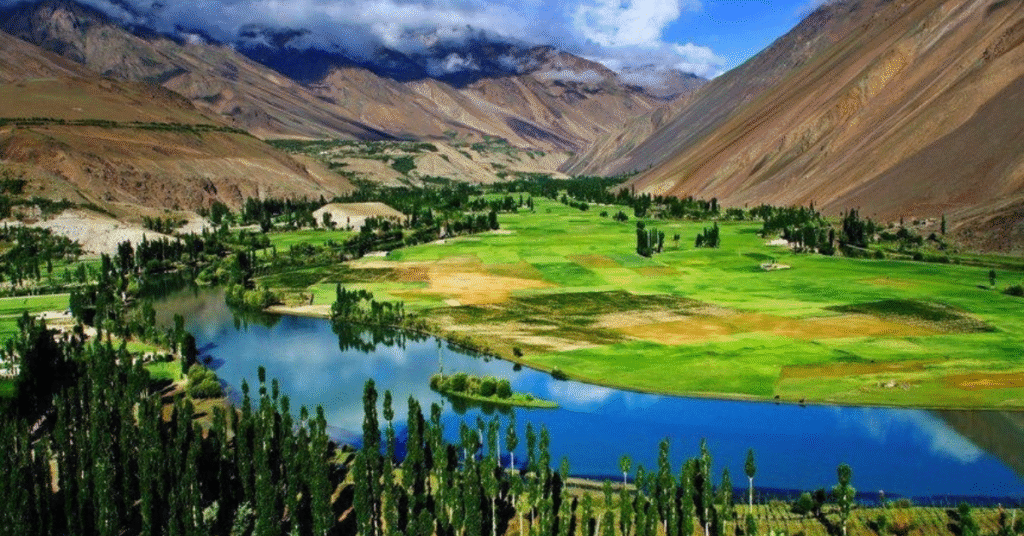
Gilgit-Baltistan, situated in the northernmost part of Pakistan, is renowned for its stunning landscapes, towering peaks, and hospitable people. However, beyond its natural beauty lies a rich and diverse culture that is rooted in tradition, religion, and respect. If you’re planning a trip to this magnificent region, it’s not just polite to know the local etiquette; it’s essential. Whether you’re hiking through Hunza, sipping tea in Skardu, or exploring the valleys of Ghizer, learning about the local customs will help ensure a respectful and meaningful travel experience.
Before diving into the do’s and don’ts, don’t miss our previous guide on the Places you can`t miss in Gilgit-Baltistan to plan your itinerary around the region’s most breathtaking destinations.
Now, let’s explore a comprehensive guide to Gilgit-Baltistan: what to do and what to avoid while visiting.
Do’s: Cultural Etiquette in Gilgit-Baltistan You Should Follow
1. Give a polite greeting
Most aspects of greeting cultures in Gilgit-Baltistan are integral to social interaction. For example, “Assalamu Alaikum”. A simple greeting is regarded as polite and returned with a smile.
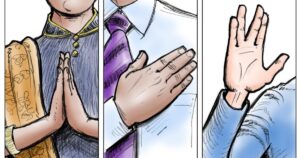
- For men: Then came the handshake; for the rural areas, though, or with the elderly, resting your palm on your heart, you can also opt for this respectful alternative.
- For women travelers: The best recommendation would be to avoid a handshake unless a local woman initiates it. Usually, a smile and a nod will be sufficient.
- Greet elders first and use titles such as “Bhai” (brother), “Apa” (sister), or “Uncle/Aunty” to address strangers respectfully.
2. Dress modestly in Gilgit
The inhabitants of Gilgit-Baltistan dress modestly, and visitors are expected to do likewise. While locals have grown accustomed to tourists, wearing clothes that could be interpreted as modest serves to show respect for their values.
- Men, in particular, should refrain from wearing: shorts or dresses that are above-the-knee in length, sleeveless shirts, or clothing that reveals more than the appropriate amount of skin.
- Women are advised to wear loose-fitting clothing that covers the arms and legs. While wearing a shawl, scarf, or dupatta may not be compulsory, it is highly recommended in more conservative atmospheres, such as when entering a household or stepping into a place of worship.
- In areas like Hunza, where Ismaili Muslims reside, one may feel a slightly relaxed atmosphere, yet dressing respectfully will be appreciated.
3. Respect Religious Practices
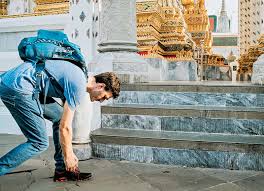
Religion holds great importance in day-to-day life. Gilgit-Baltistan is home to a mix of Shia, Sunni, and Ismaili Muslims; the customs may change even from one sect of Islam to another.
- Avoid loud music, loud talk, or disrespect when people are in prayer.
- Mosques and shrines are to be treated with the utmost respect. Take off your shoes when entering, lower your gaze, and keep quiet unless allowed to do otherwise.
- Keep a strict fast during the entire month of Ramadan, and avoid eating, drinking, and smoking in public view during daylight hours.
4. Ask Permission Before Taking Photos
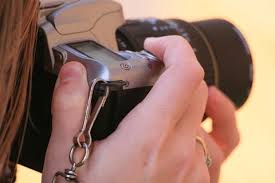
The landscapes may be Instagram-worthy, but when it comes to photographing people, especially women and children, always ask first.
- Many locals may feel shy or uncomfortable being photographed.
- In rural villages, it’s best to speak with an elder or a guide first before taking out your camera.
- If you are allowed to take pictures, offer to show them the photo afterward — it’s often a moment of shared joy.
5. Learn a Few Local Words and Phrases
Even simple greetings in the local language can create a positive impression. Gilgit-Baltistan has multiple languages: Shina, Burushaski, Wakhi, Balti, and Khowar, along with Urdu as a national language.
Here are a few helpful phrases:
- Hello – “Assalamu Alaikum”
- How are you? – “Aap kaise ho?” (Urdu)
- Thank you – “Shukriya”
- Good – “Achha”
- Where is…? – “Kahan hai…?”
Trying to speak the local language shows interest and respect for the culture, even if you get it wrong, locals will appreciate the effort.
6. Cultural Etiquette: Accepting Hospitality in Gilgit-Baltistan
Hospitality is a major cultural element: even strangers will invite you for a cup of tea or meals.
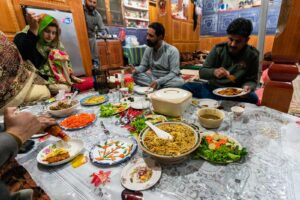
- When someone invites you for tea, you should accept it, if only for a sip, because outright refusal can be taken as an insult.
- If offered food, do taste at least a spoonful.
- You may say to your host, “Bohat maza aya.” (It was awesome.)
In Gilgit-Baltistan, it is believed that guests are a blessing, and thus your appreciation for them will strengthen this bond.
7. Support Local Crafts and Tourism
Instead of buying mass-produced souvenirs or eating at chain restaurants, focus on supporting local artisans, family-run guesthouses, and women-run cooperatives.
- Buy woolen items, wooden handicrafts, and dried fruits made from local suppliers.
- Hire locals as guides, like North Travena, who offer invaluable insights and stories about the region that you will never find in any guidebook.
🚫 Don’ts: Cultural Mistakes to Avoid in Gilgit-Baltistan
1. Don’t Disrespect Local Norms
It is rude to crack a joke about religion, ethnicity, and gender roles, as these are very personal and sometimes hurtful subjects.
- One should never comment on those dresses bearing comments on women or pass general remarks on the non-acceptance of their cultural dress.
- If someone is not sure, it’s better to see the behavior of some local people and follow the same.
2. Don’t Litter or Harm Gilgit Nature
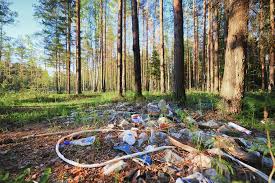
Gilgit-Baltistan is perhaps one of the cleanest regions in Pakistan, and locals take justifiable pride justifiably on not destroying their pristine environment.
- Don’t throw any garbage–whether it is in the mountains, by the roadside, or next to the river.
- Don’t even pluck tiny wildflowers or disturb the native wildlife. It may sound like nothing, but such small acts of disrespect might affect some fragile ecosystems.
3. Avoid Public Indecencies in Gilgit Region
It is inappropriate to show public displays of affection among couples.
- Public kissing, hugging, or holding hands makes other people awkward.
- One must maintain a respectful distance from each other in public places.
4. Don’t Give Money to Kids
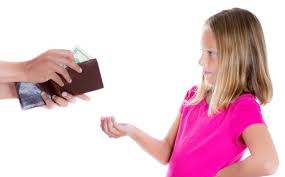
Some children might request money or candies. While it seems to be a charitable act, money discourages begging and promotes illiteracy.
- Rather, please donate to a local school, library, or an NGO pursuing education and health objectives.
- Some stationery, a book, or a football may have a more meaningful impact in these situations than giving coins or candies.
5. Don’t Be Overly Curious About Sensitive Topics
Do not ask foreigners about:
- Sectarianism (Shia vs. Sunni vs. Ismaili)
- Political opinions concerning Kashmir or the borders
- Conflicts on tribal or security issues
Sometimes, no matter how curious you might genuinely be, this is best avoided unless trust has been built and the matter comes up naturally.
6. Don’t Go Inside Homes or Sacred Sites Without Permission
Always ask for permission before entering private property, houses, or religious sites.
- Knock or shout your presence before stepping into a guest house or someone’s home.
- At the shrines or other religious congregations, follow the lead of the locals and always ask the guide if it is okay to join in or observe.
🧭 Final Thoughts: Travel with Respect
Traveling to Gilgit-Baltistan is not only about capturing beautiful vistas; it is about embracing a lifestyle that is rich, humble, and highly respectful. Once you honor the locals, they will open their homes and hearts to you.
Mindful does not mean restrained; it means being aware and in the present. When you travel respectfully, your experience transcends being just travel it becomes a soul-connecting experience.
So, whether you are sipping apricot juice in Hunza, traversing the plains of Deosai, or lying under the blanket of stars in Hoper Garden, keep this in your mind: attitude speaks louder than words.
Honor the culture. Appreciate the people. And the mountains will welcome you like their own.