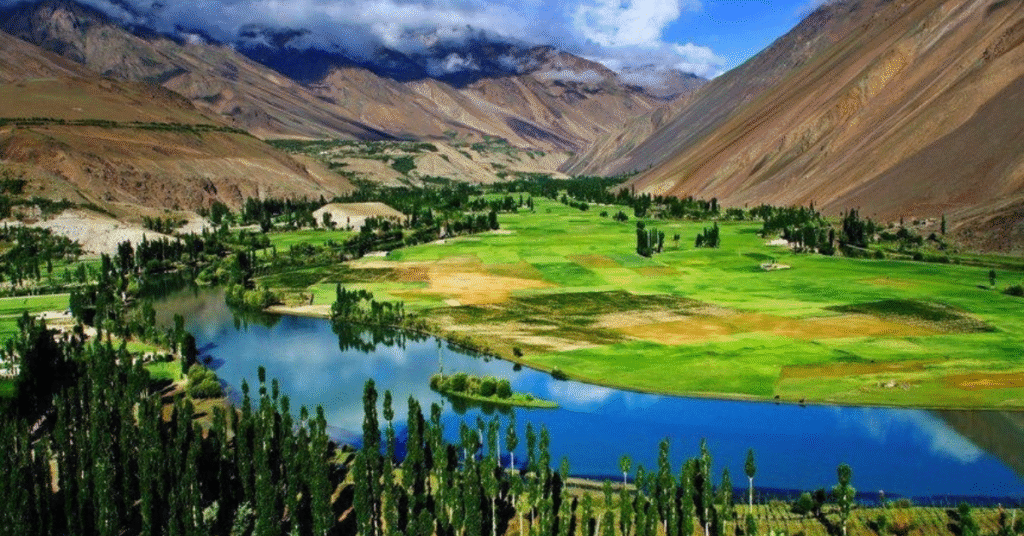
Gilgit-Baltistan is not only a visual feast but also a land rich in traditional food that reflects the region’s climate, culture, and history.. Local dishes to be tasted in Gilgit are not just about food; they also serve as cultural windows into coping with high altitudes and celebrating festivals, as well as traditional hospitality. Salty teas, apricot oil-infused breads, and meats preserved for festivals of these tell of the climate and culture, of history itself.
Salted Tea – A Staple in Gilgit’s Traditional Food Culture
Unlike the sugary teas commonly made elsewhere in the country, the people of Gilgit-Baltistan begin their morning with salted tea, locally known as Gurgur Cha. Gurgur Cha is more than a beverage; it’s a symbol of traditional food culture in Gilgit-Baltistan.. It is made with butter, salt, and tea leaves. More than a drink, this traditional salted tea is truly an emblem of the region’s identity and hospitality. Beloved by the kind-hearted people of Gilgit, this savory tea embodies the culture, warmth, and simplicity of mountain life, providing both comfort and energy to start the day.
Butter Tea (Gurgur Cha)-Liquid Tradition
What Makes Gurgur Cha a Traditional Food of the Mountains?
This salted butter tea, locally known as Gurgur Cha, is a signature drink of Gilgit-Baltistan, significant in cold mountain weather. Salt, soda, yak or cow butter, and tea leaves are frothily churned together in the preparation for the drink, which gives calories, warmth, and hydration all in one drink.” Azadi Times” Pre
Preparation and Cultural Significance
Traditionally prepared in copper or wooden churns, the tea is served in small bowls and sipped throughout the day, especially before long treks or after sharing meals. Its salty richness balances hearty savory foods like Chapshuro or Deerm Fitti, and it’s also offered as a gesture of hospitality to visitors.
Chapshuro – A Savory Star of Gilgit-Baltistan’s Traditional Food
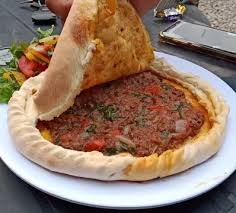
It all starts with a wheat flour flatbread smeared with a savory mixture of minced cow or yak meat, tomatoes, onions, green chilies, and spices. After that, a second layer of flatbread is added on top, with the edges sealed tightly before being placed onto a large griddle for cooking for anywhere between 10 and 15 minutes, until golden brown on the surface. Patrons can either enjoy it sliced pizza-style or peel back the top layer to enjoy the filling.
It Is Iconic
Often called the “pizza of the mountains,” Chapshuro is a must-try traditional food enjoyed across local towns and festivals, and Chapshuro does pack in a shaped, filled-layered flat bread of seasoned minced beef, yak, or mutton, onion, tomato, cilantro, chilies, and spices sealed into dough and baked until golden.
Reddit+6The Azadi Times+6pakistantraveladvisor.com+6Travel Pakistani+3BlogPakistan+3gilgitbaltistandiscoveries.com+3.
Recipe & Variations
Rolled by hand, spread with filling, followed by another cover, cooked on a hot plate for 10-15 minutes, till crispy outside, juicy inside, can be consumed sliced like a pizza or peeled and eaten. Chapshuro is a well-known street food in places like Juglot Gouro as well as in restaurants in Karimabad and close to the Rakaposhi viewpoint.
Mamtu – Steamed Mountain Dumplings
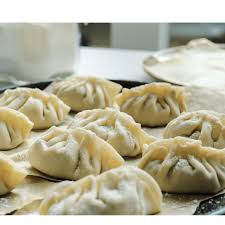
Bite of Comfort & Culture
Mamtu (Mumtoo) are steamed dumplings filled with spiced minced lamb or beef, onions, garlic, and herbs. It is usually tender, juicy, and served with chutney, chili sauce, or yogurt. Most of the time, influenced by Central Asian cuisine. The Nation+15Pedacitos+15The Azadi Times+15
How They’re Served
Though savored in guesthouse facilities or slow roadside kiosks, they become the soul-warming dumplings of hungry travelers who travel in Skardu and Hunza.
Balay – A Warming Traditional Food for Cold Winters
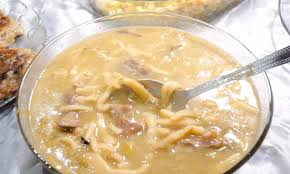
The winter gut fuel
This is Balay, which is a thick noodle soup containing goat, mutton, or yak meat. During the extreme cold, nothing could beat it as a comfort food. The hand-made noodles are simmered in a broth which contains the meat and seasonal vegetables, and warming spices, making it an ultimate energy booster after trekking the mountain
Local & Seasonal Context
Although this dish may be combined with butter tea or served with some flatbread, it is pure home-cooking at its best. A vegetarian version using beans (Udong Balay), highly popular with trekking communities, is also made in some parts.
Deerm Fitti – A Traditional Food Powerhouse for Mountain Farmers
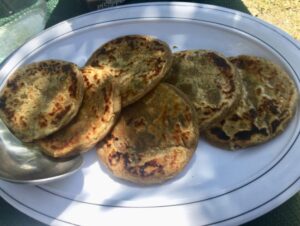
What It Is
A flatbread made of soaked wheat dough, dense and rich in energy, is called Deerm Fitti. This flatbread is usually cooked in ghee or apricot oil, sometimes with almonds. Crumbled and then fried again, it’s portable, super high-calorie, and shows almost eternal satiation.
Gyaling/Gral / Go-Lee – Breakfast Crepe of Choice

Yummy, Nourishing, and Super Versatile!
Gyaling (gral/go-lee) is a soft, pancake-like flatbread that could be made with wheat or buckwheat flour. One can sometimes enjoy the crepe with apricot oil or honey while having breakfast or tea; it is light and yet highly nutritious.
Serving Variations
A good combination is one pancake upon another with curd or salted tea. In some local adaptations, honey or nuts, or a blend of both, give a unique taste specific to the region.
Ghilmindi (Buroshapik) – Yogurt Cheese Bread
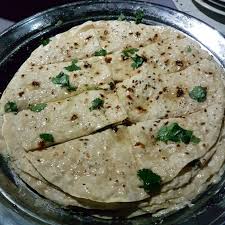
One of Its Kind Festival Bread
Culturally, Ghilmindi is prepared in order to be served at festivals and feasts, and even during wedding celebrations. It belongs to shared hospitality and communal affairs, particularly during the Nasalo season. Cute Ghilmindi involves two layers of flatbread sandwiching yogurt-cheese, homemade from indigenous fresh milk, garnished with a sprinkle of apricot oil, and finally, has nuts.
The Cultural Role of Traditional Foods Like Ghilmindi
Made especially to ensure the joy of feast and exceeding joy for wedding gatherings and festivals for the Lushkian area as a manifestation of a heart full of love and support for generations.
Muleeda – Hearty Yogurt Salad
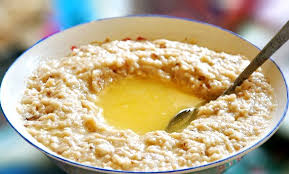
Dainty, Savory, and Hearty
Muleeda combines yogurt with minced wheat-bread pieces mingled with onions, cilantro, some salt, and a drizzle of apricot oil. Light, cold, and an exceptional source of protein, Muleeda is henceforth served in warm seasons for breakfast or lunch.
Daily Mountain Pass Gilgit Baltistan+4Youlin Magazine+4Wikipedia+4.
Nasalo, Gittey & Warkì – Winter Tradition
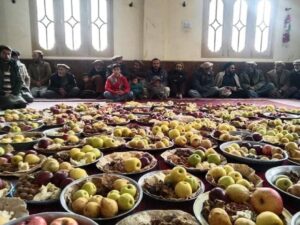
Ancient Preservation and Community.
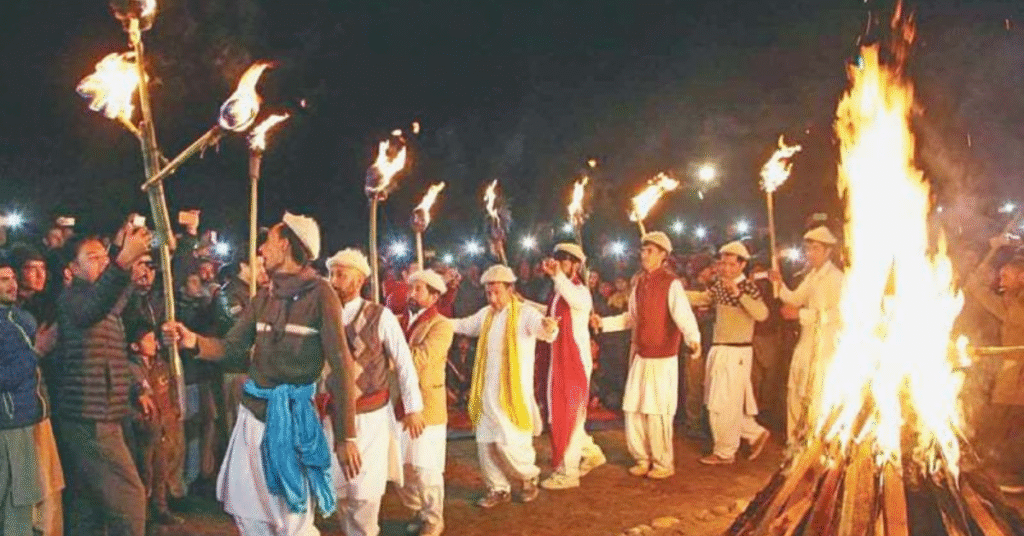
Nasalo is a winter ritual that originated a few centuries ago. In early December, yaks, goat, or oxen are slaughtered, and the meat is dried and preserved as strips or sausages called Warkì or Gittey. So, it is used in stews, soups, or fried dishes throughout winter.
Festival & Heritage Importance
This is not only a festive event but also one based on survival-whether an ecological celebration in mid-December, together with bonfires, gatherings, and a community feast. Legend says it was celebrated with bonfires upon the defeat of the mythical cannibal king, Shribadat, further reinforcing local identity and resilience
Confections & Herbal Drinks
Keelao-Local Chocolate
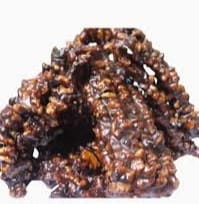
This is a traditional sweet of Ghizer, made from walnut, dried apricots, almonds strung together, dipped in reduced grape-juice syrup, and dried to form chewy necklace candies: Rich, sweet-and absolutely a winter staple.
Dawdo-Apricot Soup.
Also called Battering Dawdo, this thick soup has a mixture of dried apricots with sugar and lemon, even sometimes spices. It is consumed in winter as a warming remedy, said to alleviate cold symptoms.
Tumoro Tea – Brewed with Wild Thyme
A herbal tea brewed using the leaves of wild thyme, which is locally known to pacify the bowel, relieve headaches, and calm the mind. Commonly served after meals in the rural areas of Nagar or Bagrote, especially in winter.
Where to Enjoy Traditional Food in Gilgit-Baltistan
Local Guesthouses & Homes
Local homes and guesthouses offer the most authentic experience. But before sharing a meal, it’s helpful to understand cultural etiquette in Gilgit-Baltistan, especially when dining in someone’s home.
The benefits of most of the Mamtu to Nasalo dishes are really tasted at local homes or guesthouses, where tradition and hospitality melt.
Street Food & Cafés
Chapshuro, Mamtu, Gyaling, and herbal teas are widely offered on the cheap by street vendors in towns like Karimabad, Juglot, and even Gilgit city. Café de Hunza and Khunjerab Café serve more polished versions with lovely views
Eventual and Seasonal
The festival of Nasalo has brought the Warkì and Gittey into focus. However, local cuisines with dances, torches, and harvest celebrations can be found during the spring and winter festivals (Takhum Rezi, May Fung).
Travel Tips for the Culinary Explorer
- Seasonal menu planning: Winter is the peak season for Nasalo and Keelao, while Gyaling and tea are the staples all year round.
- Healthy curiosity is always welcome, but so is respect: One ought to ask before taking pictures in kitchens or family meal settings.
- Perfect pairing: Balay or Gittey for the cool-weather days; Gyaling with butter tea for the lighter morning fare.
- Go for the traditional places: Use small guesthouses, tiny food stalls, and small cooperatives instead of chain restaurants.
- Nice company: While local movies are served in some homes, many families are happy to entertain with personal stories about the dishes, listening, learning, and appreciating.
Cultural Significance and Food Identity
The traditional food of Gilgit-Baltistan speaks of survival, celebration, and community bonding in harsh mountain conditions. Gilgit-Baltistan cuisine is a more standard model of mountain survival than a manual of recipes: high calorie, seasonal, preservable, and utterly communal. Those foods carry the memories of joint centuries of adaptation, resilience, cultural continuity toward unity, and warm-heartedness in extreme conditions. In the case of Nasalo, winter is fashioned for folklore, observances, and food preservation; it binds the community into cohesion.”
Conclusion: Beyond Just a Tasting Experience
Just beyond being edible, food in Gilgit-Baltistan embodies the tenacity, culture, and a strong sense of community, wholesome traditions in the region. Every single dish, from the wholesome Chapshuro to the simple Gyaling-verbalizes the story of a life lived in the mountains, conditioned by climate, geography, and history. Gathered for festivals, straight out of the guest house, and shared beside a warm stove, these are meals of simplicity, hospitality, and connection. For the untraveled who seek something more beyond beauty, Gilgit has a history of flavor to explore, and possibly the most extraordinary part of an adventure within the soul of the region.